Choose Dunellen General Contractor for Expert Building Solutions
Choose Dunellen General Contractor for Expert Building Solutions
Blog Article
Why Picking the Best General Contractor Is Crucial for Your Project
Determining the right general contractor is a pivotal decision that can considerably influence a project's completion. A suitable contractor guarantees efficient management and observance to budgets. Their expertise to work through challenges and copyright clear communication is indispensable. However, many construction participants overlook critical factors in this selection mechanism. Recognizing these elements can point to better results and increased satisfaction. What should one assess when reaching this notable decision?
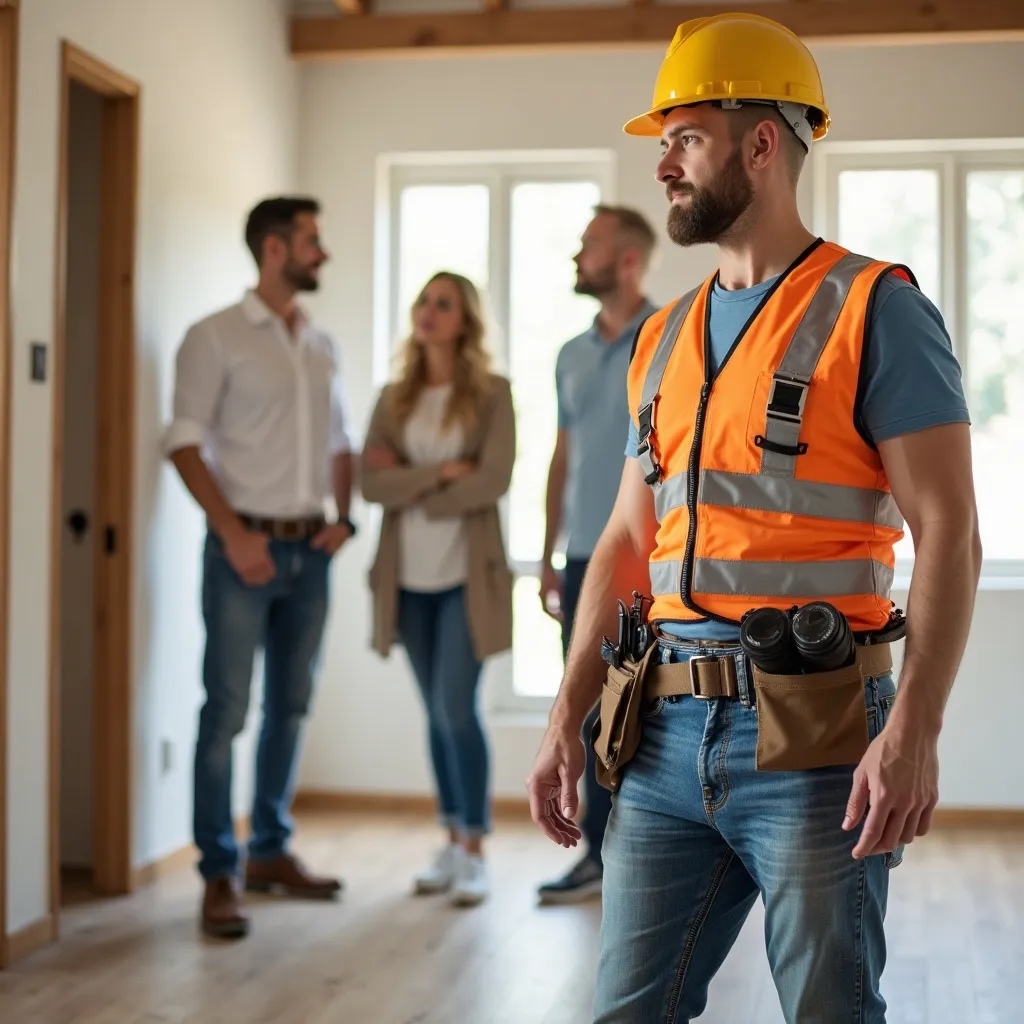
Frequent Struggles in Choosing a General Construction Professional
When selecting a general contractor, potential clients often face numerous typical challenges valuable resource that can complicate the decision-making process. One major obstacle is the overwhelming number of choices on offer, which can lead to uncertainty and hesitation. Customers may struggle to distinguish among contractors based on qualifications, experience, and pricing, making it difficult to identify who will best meet their project needs.
Another obstacle is the absence of clarity in contractor bids, where concealed expenses may emerge later, impacting the project budget. Additionally, clients may face issues related to interaction; some contractors may fail to maintain client communication throughout the procedure, causing dissatisfaction. In conclusion, clients often grapple with verifying a contractor's references and previous projects, which can lead to doubt about the quality of service anticipated. These obstacles require careful consideration and investigation to ensure the correct decision is selected.
Importance of a Trustworthy General Contractor
A dependable general contractor plays a essential role in guaranteeing project management efficiency and maintaining quality assurance standards. Their skill helps streamline processes, minimizing delays and expenses. Additionally, a dependable contractor upholds excellence, resulting in superior craftsmanship and client satisfaction.
Optimize Assignment Supervision Results
Effective project management copyrights on the trustworthiness of a general contractor. A trustworthy contractor guarantees that timelines are met, resources are allocated efficiently, and communication flows smoothly among all stakeholders. Their skill in managing subcontractors, suppliers, and laborers directly impacts the project's progress and overall success. A dependable contractor foresees problems, acts quickly to resolve them, and stays focused on the objectives, minimizing delays and cost overruns. This effectiveness creates a cooperative atmosphere that enables modifications and enhancements when required. Ultimately, the general contractor's dependability enhances not only the operational aspects of the project but also the confidence among clients and team members, ensuring all parties stay aligned towards a favorable result.
Quality Assurance Specifications
Dependable builders play a pivotal role in upholding quality control during the entire project. They make sure that every task meets established guidelines and industry best practices, which remains essential to the durability and safety of the structure. A competent contractor exercises strict oversight over materials and workmanship, performing regular inspections to find and resolve problems quickly. This proactive approach reduces risks linked to inferior construction, ultimately safeguarding the investment. Furthermore, a reliable contractor facilitates communication among all stakeholders, guaranteeing clear and fulfilled expectations. By focusing on quality assurance, a skilled general contractor not only improves the end product but also builds trust with clients, establishing the base for successful project results.
Assessing a Contractor's Expertise and Standing
When assessing a general construction professional, grasping their track record and standing is crucial, as these elements significantly affect project results. A contractor's expertise typically shows their capacity to manage different kinds of projects, intricacies, and hurdles. Examining their collection of work delivers understanding into previous work, highlighting craftsmanship and meticulous attention to specifics.
Additionally, reputation plays a vital role in creating trust. Prospective clients should seek online reviews, testimonials, and references to evaluate satisfaction levels from previous clients. Engaging with past customers can show the contractor's reliability, communication skills, and adherence to timelines and budgets.
Furthermore, sector associations and accreditations can bolster a contractor's credibility, suggesting a resolve to quality and ethical practices. By thoroughly evaluating both experience and credibility, clients can select wisely, at last setting the stage for a successful construction project.
Key Features of a Reputable Contractor
A dependable contractor regularly exhibits integrity, openness, and excellent communication skills. These essential qualities create the foundation of a successful professional partnership. Integrity ensures the contractor adheres to moral standards, offering truthful assessments and realistic schedules. Openness involves fully disclosing project details, encompassing expenses and possible obstacles, fostering trust between the contractor and the client.
Powerful communication abilities enable the contractor to convey ideas efficiently, listen to client needs, and tackle any issues that arise during the project. Moreover, a dependable contractor demonstrates adaptability, responding to changes and unexpected circumstances with poise and flexibility. Attention to detail is another key trait; it reflects a commitment to quality and accuracy in every aspect of the work. In essence, these qualities not only enhance project outcomes but also enrich a positive engagement for clients, making the selection of a trustworthy contractor all the more crucial.
Critical Questions to Address When Hiring Your General Contractor?
What approach can one take to ensure they select the right general contractor for their project? By posing a collection of targeted questions, potential clients can better assess candidates. First, asking about the contractor's experience with similar projects provides insight into their expertise. It's also essential to request for references; conversing with previous clients can reveal the contractor's reliability and quality of work.
Then, checking licensing and insurance verifies that the contractor satisfies legal requirements and protects the client from potential liabilities. Clients must also question timelines and project management tactics to determine how the contractor will manage the project efficiently.
Budget conversations are essential; asking for a detailed estimate prevents surprise expenses later. Finally, comprehending the contractor's preferred communication style can set the groundwork for a successful partnership. By tackling these key questions, clients can make informed decisions in selecting their general contractor.
Strong Communication Between You and Your Contractor
Effective engagement with a contractor is important for assignment achievement. Creating transparent expectations and offering regular communications can eliminate miscommunications that often lead to costly delays. Additionally, cultivating an open conversation establishes trust, ensuring a better working relationship throughout the construction effort.
Explicit Specifications Ensure Success
Setting definite expectations is necessary for a effective partnership with a general contractor. Transparent communication builds the foundation for understanding the project's goals, deadlines, and budget limits. When both sides express their needs and concerns, it minimizes the chance of misunderstandings that could impede progress. A contractor who understands the exact requirements can deploy resources effectively and tackle potential problems proactively. Furthermore, having clear expectations promotes accountability, ensuring that the contractor fulfills promises and that the homeowner stays engaged in the process. Prioritizing open communication from the start allows clients to strengthen teamwork and satisfaction, ultimately resulting in a more efficient project delivery. Clear expectations not only streamline operations but also cultivate trust between the homeowner and the contractor.
Well-timed Notifications Avoid Misinterpretations
Setting clear parameters lays the foundation for effective teamwork, although ongoing communication remains equally essential. Timely reports from a general contractor can ward off miscommunication that could arise over the course of a project. When construction teams consistently relay status reports, clients remain up to date on schedules, cost changes, and potential obstacles. This forward-thinking communication serves to synchronize both parties' intentions and lessens the risk of disagreements later on. Moreover, when concerns arise, swift communication enables quicker fixes, ensuring the work remains on track. Through fostering a climate of transparent communication, builders show their dedication to the project's accomplishment, in the end creating a smoother operation and greater customer gratification. For this reason, timely communications function as a foundational element for upholding understanding and trust over the course of the construction process.
Frank Discussion Establishes Trust
During a project's development, maintaining an candid exchange with the general contractor becomes important for fostering reliance and partnership. Clear communication promises that all stakeholders have a precise understanding of expectations, timelines, and potential issues. When contractors and patrons engage in consistent dialogues, it facilitates for the identification of troubles before they escalate, minimizing disruptions. This transparency not only builds confidence but also enhances the overall construction experience. Additionally, an accessible communication channel encourages commentary, enabling the construction expert to make adjustments that satisfy the client's desires. Ultimately, strong communication establishes a base of reciprocal appreciation, which is necessary for the proper completion of any construction job. Confidence nurtured through dialogue leads to greater success for everyone involved.
Commonly Asked Questions
What methods can I use to assess if a Contractor has been Licensed?
To determine if a contractor is properly credentialed, one should review local licensing boards or websites, verify their license number, and ensure it's active. Additionally, examining online reviews can offer understanding of their trustworthiness and dependability.
What Protection Must My Contractor Possess?
A tradesperson is required to maintain overall liability protection, occupational injury insurance, and, if applicable, liability for professional negligence. These cover foreseeable harm, employee injuries, and construction defects, ensuring financial protection for both the tradesperson and the patron.
What's the Best Way to Review a Construction Professional's Track Record?
To examine a contractor's references, one should ask for a record of prior customers, communicate with them in person, and question them regarding their experiences. Moreover, exploring online reviews and ratings can deliver helpful perspectives into the contractor's reliability.
What Should I Do if Issues Materialize During the Project?
If issues develop during the project, one should document the concerns, communicate directly with the contractor, and pursue a resolution. If necessary, bringing in a mediator or consulting a legal professional may also be fitting.
Should You Be Aware of Red Flags Throughout the Job Selection Process?
Red flags during the hiring process include unclear pricing, missing credentials, inadequate responsiveness, missing certifications, and unfavorable ratings. These signals point to possible problems that could impact the project's quality and timeline.
Report this page