Dunellen General Contractor Delivering Reliable Construction Services
Dunellen General Contractor Delivering Reliable Construction Services
Blog Article
Why Determining the Best General Contractor Is Key for Your Project
Determining the right general contractor is a pivotal judgment that can considerably influence a project's completion. A competent contractor guarantees productive management and adherence to budgets. Their expertise to work through challenges and copyright lucid correspondence is indispensable. However, many project owners miss key factors in this procurement process. Understanding these elements can lead to enhanced results and increased gratification. What should one assess when reaching this important choice?
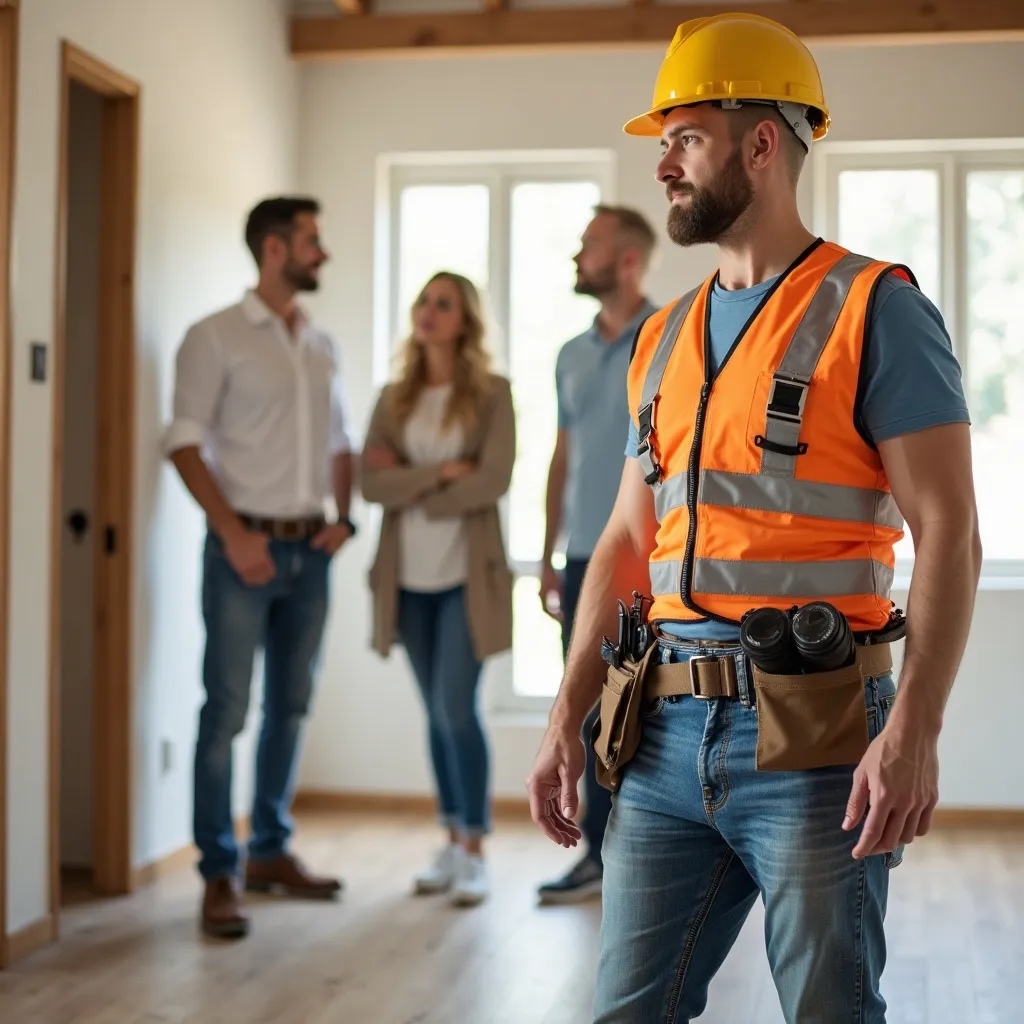
Frequent Complications in Picking a General Project Lead
When choosing a construction contractor, prospective customers often encounter numerous typical difficulties that can complicate the selection process. One significant hurdle is the overwhelming number of options available, which can lead to uncertainty and hesitation. Customers may find it hard to differentiate between contractors based on qualifications, experience, and pricing, rendering it challenging to identify who will best satisfy their project needs.
One issue is the insufficient openness in contractor estimates, where hidden costs may manifest later, changing the project budget. Moreover, clients may encounter difficulties involving dialogue; some contractors may fail to maintain client awareness during the execution, producing frustration. Ultimately, clients often deal with confirming a contractor's track record and past work, which can create uncertainty regarding the standard of service expected. These challenges necessitate thoughtful review and due diligence to assure the right choice is made.
Why a Solid General Contractor Matters
A dependable general contractor plays a essential role in guaranteeing efficient project delivery and maintaining quality standards. Their skill helps streamline processes, minimizing delays and costs. Additionally, a dependable contractor upholds excellence, resulting in excellent construction work and client satisfaction.
Improve Project Management Effectiveness
Successful project management is dependent on the reliability of a general contractor. A trustworthy contractor promises that timelines are respected, resources are efficiently allocated, and communication runs smoothly among all stakeholders. Their ability to manage subcontractors, suppliers, and laborers has a direct influence on the project's progress and success overall. A dependable contractor predicts challenges, applies solutions quickly, and stays focused on goals, minimizing setbacks and budget excesses. This effectiveness fosters teamwork that allows for necessary changes and upgrades. Ultimately, the general contractor's reliability improves both the operational components of the project and the confidence among clients and team members, ensuring everyone remains aligned toward a successful result.
Quality Assurance Protocols
Dependable general contractors serve a pivotal role in upholding quality assurance standards during the entire project. They guarantee that every task complies with established guidelines and industry protocols, which is essential to the durability and safety of the structure. A competent contractor exercises strict oversight over materials and workmanship, conducting regular inspections to find and resolve problems read the information quickly. This proactive approach minimizes risks linked to inferior construction, ultimately protecting the investment. Furthermore, a reliable contractor encourages communication among all stakeholders, guaranteeing clear and fulfilled expectations. By focusing on quality assurance, a skilled general contractor not only improves the end product but also gains trust with clients, establishing the base for successful project results.
Evaluating a Service Provider's Background and Reputation
When determining a general building professional, grasping their background and reputation is essential, as these factors profoundly affect project results. A contractor's expertise generally reflects their competency to handle diverse project types, complexities, and challenges. Assessing their work history offers understanding into previous work, showcasing workmanship quality and careful attention to specifics.
Furthermore, track record plays a vital role in establishing trust. Prospective clients should seek online reviews, testimonials, and references to assess satisfaction levels from previous clients. Communicating with past customers can uncover the contractor's reliability, communication skills, and adherence to timelines and budgets.
Furthermore, industry affiliations and accreditations can bolster a contractor's standing, suggesting a commitment to superior standards and responsible practices. By meticulously examining both track record and credibility, clients can select wisely, ultimately establishing the foundation for a successful construction project.
Essential Characteristics of a Reliable Contractor
A reliable contractor regularly demonstrates honesty, openness, and strong communication skills. These essential traits form the foundation of a successful working relationship. Honesty ensures the contractor adheres to moral standards, providing honest assessments and practical timelines. Transparency entails openly sharing assignment information, encompassing costs and potential challenges, fostering confidence between the contractor and the client.
Excellent communication skills permit the contractor to effectively express ideas, comprehend client needs, and address any concerns that emerge during the project. Additionally, a trustworthy contractor showcases adaptability, responding to modifications and unforeseen circumstances with poise and resilience. Attention to detail is one more key trait; it demonstrates a commitment to quality and accuracy in every aspect of the work. At the end of the day, these traits not only boost project outcomes but also foster a positive experience for clients, making the selection of a dependable contractor all the more critical.
Key Inquiries for Selecting Your General Contractor?
How can a person ensure they pick the right general contractor for their project? By asking a series of targeted questions, potential clients can better evaluate candidates. To begin, asking about the contractor's experience with comparable work gives insight into their expertise. It's also vital to ask for references; communicating with previous clients can show the contractor's reliability and work quality.
Then, checking licensing and insurance verifies that the contractor satisfies legal obligations and protects the client from potential liabilities. Clients must also inquire about timelines and project management tactics to determine how the contractor plans to execute the project efficiently.
Budget meetings are vital; requesting a detailed quote prevents surprise costs later. Finally, grasping the contractor's communication style preferences can establish the foundation for a productive working relationship. By tackling these key questions, clients can make informed decisions in choosing their general contractor.
Why Dialogue Matters With Your Contractor
Effective interaction with a contractor is essential for initiative completion. Setting explicit expectations and sharing timely feedback can avoid misunderstandings that often lead to costly delays. Additionally, promoting an open dialogue establishes credibility, ensuring a more productive collaboration throughout the building phase.
Explicit Specifications Ensure Success
Establishing well-defined expectations is crucial for a productive partnership with a general contractor. Effective communication creates the groundwork for understanding project goals, timelines, and budget constraints. When both parties express their needs and concerns, it lowers the risk of misunderstandings that can disrupt progress. A contractor who understands the specific requirements can distribute resources wisely and address potential challenges proactively. In addition, clarity in expectations fosters accountability, guaranteeing that the contractor delivers on promises and that the homeowner feels involved in the process. By prioritizing open dialogue from the outset, clients can boost teamwork and satisfaction, ultimately leading to a more efficient project execution. Clear expectations not only streamline operations but also build trust between the homeowner and the contractor.
Quick Communications Prevent Misunderstandings
Defining distinct expectations provides the foundation for cooperative success, though ongoing communication is absolutely vital. Routine updates from a general contractor can avert confusion that develops during a project. When builders regularly communicate project updates, clients keep informed about timelines, financial adjustments, and anticipated roadblocks. This forward-thinking dialogue aids in harmonize both sides' expectations and reduces the risk of disputes in the future. Furthermore, when complications arise, immediate notification allows for quicker problem-solving, maintaining the project on track. By fostering a climate of open exchange, construction professionals express their commitment to the undertaking's success, finally producing a smoother workflow and superior customer contentment. Therefore, prompt updates serve as a critical foundation for maintaining clarity and trust within the building endeavor.
Open Communication Develops Trust
As a project unfolds, maintaining an honest conversation with the primary contractor becomes crucial for encouraging belief and joint effort. Effective communication guarantees that all involved parties have a clear understanding of objectives, schedules, and potential roadblocks. When contractors and customers maintain frequent talks, it lets for the identification of setbacks before they grow worse, minimizing problems. This candor not only builds certainty but also optimizes the overall building experience. Additionally, an open line of communication encourages responses, enabling the construction leader to make corrections that conform to the client's expectations. Ultimately, strong communication grounds a structure of mutual respect, which is essential for the achievement of any construction project. Trust cultivated through dialogue leads to superior performance for everyone participating.
Frequently Raised Questions
How can I verify if a Contractor possesses a certification?
To determine if a contractor is licensed, one should examine local licensing boards or websites, validate their license number, and confirm it's active. Additionally, perusing internet feedback can supply knowledge about their credibility and reliability.
What Insurance Must My Contractor Maintain?
A contractor should carry general liability insurance, worker protection insurance, and, if applicable, negligence liability protection. These mitigate probable injury, workplace injuries, and errors in workmanship, ensuring financial protection for both the contractor and the purchaser.
How Do I Validate a Contractor's References?
To assess a contractor's references, one should request a inventory of former clients, contact them personally, and learn about their impressions. Additionally, studying online reviews and ratings can supply valuable insights into the contractor's credibility.
What Can I Do if Issues Occur During the Project?
If problems emerge during the project, one should document the concerns, speak openly to the contractor, and pursue a resolution. If necessary, involving a third party or seeking legal advice may also be appropriate.
Are There Red Flags to Monitor During the Recruitment Process?
Red flags throughout the recruitment phase include imprecise estimates, no references, substandard communication, incomplete licenses, and negative online reviews. These markers intimate potential issues that could impact the timeline and quality of the project.
Report this page